Impact Story: Feed & Seed, Greenville, SC
September 2, 2026

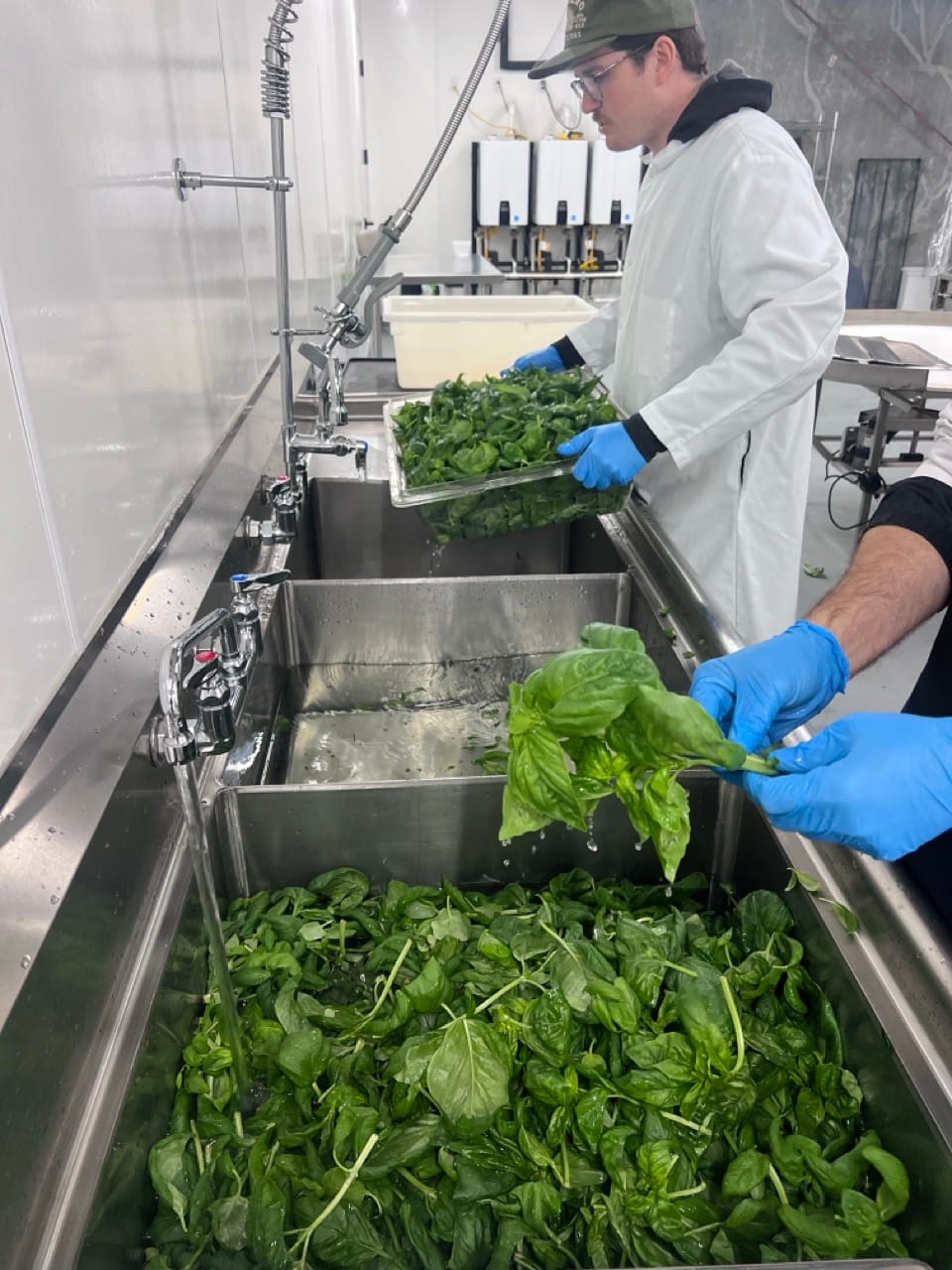
Feed & Seed is a nonprofit food hub located in Greenville’s Judson Mill District. The organization works to make fresh, local food more accessible and affordable while strengthening the regional food system that connects farmers, schools, families, and food access partners across the Upstate. Feed & Seed aggregates, processes, and distributes locally grown produce, helping small farmers reach institutional buyers such as schools while increasing access to fresh fruits and vegetables. Its work supports both sides of the food system: expanding markets for farmers and helping more people access local, affordable, and culturally appropriate food. In 2026, Abundance Angels and its partners recommended two working-capital bridge loans totaling $142,500 to support Feed & Seed during a critical transition period. Following the loss of key federal contracts, the loans provided flexible capital to stabilize operations and support the relaunch of a self-sustaining Farm-to-School program. The investment also supports Feed & Seed’s work with Greenville County Schools Food & Nutrition Services through the USDA SCALES program, a regional Farm-to-School partnership designed to address food insecurity and expand year-round markets for South Carolina farmers. The investment reflects the role flexible philanthropic capital can play in food system resilience, helping a nonprofit intermediary bridge a timing gap, preserve local agriculture infrastructure, and continue building connections between farmers and communities.
Feed & Seed is a nonprofit food hub located in Greenville’s Judson Mill District, working to make fresh, local food more accessible and affordable while strengthening the regional food system. The organization connects small farmers with institutional buyers including schools, supports the USDA SCALES Farm-to-School program, and works across the Upstate to build a more resilient, equitable local food economy.
Site by goodvillage co.